
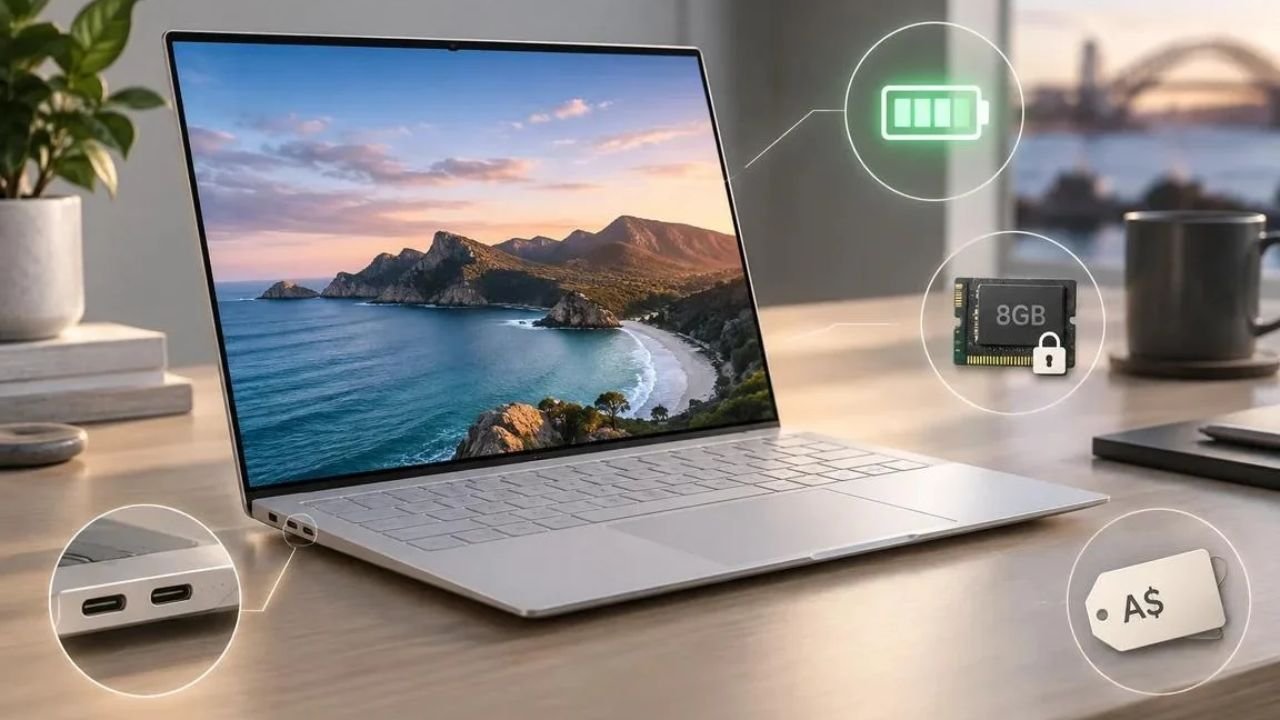
Buying a laptop requires careful research because different models offer different processors, memory, storage, display quality, and performance levels. Choosing the right device becomes easier when you understand your needs and compare important specifications.
TheLaptopAdviser Buyer Guide is a useful search topic for people looking for laptop purchasing advice, hardware explanations, and information about selecting a suitable computer. Whether you need a laptop for education, office work, gaming, or entertainment, understanding the basics can help you make a better purchasing decision.
What Is TheLaptopAdviser Buyer Guide?
TheLaptopAdviser is a website that publishes laptop-related information and buying guides. Its buyer guide section helps readers understand different laptop categories, compare hardware specifications, and identify features that matter when purchasing a computer.
The website covers topics related to:
- Laptop buying recommendations
- Product comparisons
- Laptop specifications
- Gaming and productivity devices
- Laptop selection for students and professionals
- Budget-friendly purchasing advice
The main purpose of exploring these guides is to make laptop research easier and help buyers understand what they should check before purchasing a device.
Why Should You Use TheLaptopAdviser Buyer Guide?
Choosing a laptop without proper research can lead to unnecessary expenses. A device that works well for basic browsing may not provide enough performance for video editing, gaming, or professional software.
TheLaptopAdviser Buyer Guide is relevant to people who want to understand their options before purchasing.
Important benefits of using laptop buying guides include:
- Understand technical specifications: Learn what processors, RAM, graphics cards, and storage actually do.
- Compare different laptops: Identify differences between models and configurations.
- Choose according to your budget: Avoid spending money on features you do not need.
- Understand performance requirements: Match hardware capabilities with your daily activities.
- Make informed decisions: Research important features before placing an order.
Readers should also compare independent product reviews and manufacturer specifications before making a final decision.
Different Types of Laptops You Should Know About
Understanding laptop categories is an important step in the buying process.
1. Traditional Laptops
Traditional laptops are suitable for everyday computing. They can handle internet browsing, office applications, online meetings, document editing, and entertainment.
They are available in different configurations, making them suitable for various budgets.
2. Gaming Laptops
Gaming laptops are designed for demanding graphics and processing workloads. They usually feature dedicated graphics cards, powerful processors, and advanced cooling systems.
They are also useful for certain professional applications, including video editing and 3D rendering.
3. Ultrabooks and Thin-and-Light Laptops
These laptops focus on portability and convenience. They are generally lightweight and suitable for business professionals, students, and frequent travellers.
Battery efficiency, weight, keyboard quality, and build quality are important considerations.
4. 2-in-1 Laptops
A 2-in-1 laptop offers the flexibility of a traditional computer and a tablet. Depending on the model, the screen may rotate completely or the keyboard may detach.
These devices can be useful for presentations, digital notes, and touchscreen activities.
5. Chromebooks
Chromebooks run ChromeOS and are designed around web-based applications and cloud services.
They can be suitable for online learning, browsing, and basic productivity. However, buyers should check whether their required applications are compatible with ChromeOS.
Important Specifications to Check Before Buying a Laptop
Before selecting a laptop, understand the following hardware features.
Processor
The processor, commonly called the CPU, handles instructions and computing operations.
Popular options include Intel Core, Intel Core Ultra, and AMD Ryzen processors. Apple also offers its own Apple Silicon processors for Mac computers.
Compare the exact processor model, generation, performance class, and power requirements instead of judging a laptop by its processor brand alone.
RAM
RAM helps the operating system and applications run simultaneously.
| RAM Capacity | General Usage |
| 8GB | Basic computing |
| 16GB | Everyday productivity and multitasking |
| 32GB | Advanced multitasking and creative applications |
| 64GB+ | Specialized professional workloads |
For many new laptop buyers, 16GB RAM is a sensible starting point. Check whether the memory is upgradeable before purchasing.
Storage
Storage determines how much data you can keep on your laptop.
An SSD is generally preferable because it provides faster boot times and application loading than a traditional mechanical hard drive.
Common options include:
- 256GB SSD for basic requirements
- 512GB SSD for general productivity
- 1TB SSD for larger software and media libraries
Choose storage according to your usage and available upgrade options.
Graphics Card
A graphics processing unit (GPU) handles graphics-related tasks.
Integrated graphics are generally sufficient for everyday activities, browsing, and basic photo editing.
Dedicated graphics cards are more appropriate for demanding gaming, 3D rendering, and certain creative applications.
Display and Battery
A good display improves everyday viewing comfort. Check resolution, brightness, colour accuracy, screen size, and refresh rate.
Battery life is equally important, particularly for people who travel or work away from power outlets. Read independent battery tests because actual runtime can differ from manufacturer estimates.
How to Choose a Laptop Based on Your Requirements
Different users have different computing needs.
| User Type | Important Features |
| Students | Portability, battery life, and reliable performance |
| Office workers | Comfortable keyboard, webcam, and multitasking |
| Gamers | Dedicated GPU, cooling, and high-refresh display |
| Video editors | Powerful CPU, sufficient RAM, and quality display |
| Business professionals | Security, durability, and connectivity |
| Travellers | Lightweight design and efficient battery |
Before choosing a model, identify the applications you plan to use. This will help you avoid paying extra for unnecessary hardware.
Smart Laptop Buying Tips for 2026
Consider these practical tips when comparing laptops:
- Set a realistic purchasing budget.
- Identify your primary laptop requirements.
- Compare exact processor models.
- Prefer sufficient RAM for your workload.
- Choose SSD storage for better responsiveness.
- Check display brightness and resolution.
- Compare real-world battery performance.
- Review available ports and wireless connectivity.
- Check warranty coverage and service availability.
- Read multiple independent product reviews.
Another important consideration is upgradeability. Some laptops have soldered RAM or limited storage expansion. Checking these details before buying can help you make a better long-term investment.
Common Laptop Buying Mistakes to Avoid
Even experienced buyers sometimes overlook important details.
Here are some mistakes worth avoiding:
- Selecting a laptop only because it has a famous brand name.
- Ignoring the exact processor model.
- Purchasing insufficient RAM.
- Overlooking screen quality.
- Assuming advertised battery life reflects everyday usage.
- Ignoring keyboard and trackpad comfort.
- Forgetting to check warranty conditions.
- Buying expensive gaming hardware for basic office work.
Taking time to compare specifications can help prevent these problems.
Is TheLaptopAdviser Buyer Guide Worth Exploring?
Yes, TheLaptopAdviser Buyer Guide is a relevant resource for people researching laptop purchases. Its website includes a dedicated buyer guide category with articles covering laptop selection, product features, and purchasing considerations.
It can be a starting point for understanding different laptop options and learning which specifications deserve attention.
However, readers should not depend on a single website when making an expensive purchase. Verify current prices, hardware configurations, performance claims, and warranty information through manufacturers and trusted retailers.
Read More: From the Blog PlayBattleSquare.com Website || PlayMyWorld Online || SFMCompile
Frequently Asked Questions
1. What is TheLaptopAdviser Buyer Guide?
It refers to laptop purchasing information and recommendations available through TheLaptopAdviser’s buyer guide section.
2. Can beginners use TheLaptopAdviser Buyer Guide?
Yes. Beginners can explore laptop categories, hardware specifications, and general purchasing advice to understand the basics of laptop shopping.
3. Which laptop is best for students?
A lightweight laptop with reliable performance, sufficient RAM, SSD storage, and good battery life is generally suitable for students.
4. Is 16GB RAM good for a laptop in 2026?
Yes. 16GB RAM is a practical configuration for many users who perform everyday tasks, office work, and multitasking.
5. What should I check before purchasing a gaming laptop?
Check the graphics card, processor, cooling system, RAM, display refresh rate, storage, and power requirements.
6. Why is SSD storage important?
SSD storage helps improve system startup, application loading, and file access speeds compared with traditional mechanical hard drives.
Conclusion
TheLaptopAdviser Buyer Guide is a useful topic for anyone who wants to research laptops and understand important purchasing considerations. Learning about processors, RAM, storage, graphics, display quality, and battery performance can make laptop shopping easier.
The right laptop depends on your budget and intended usage. Students, professionals, gamers, and content creators all have different requirements. Compare multiple models, verify their specifications, and review warranty conditions before making your final purchase.







Add comment